
Central Otago

Central Otago is a wine-growing region in the southern interior of New Zealand’s South Island. As the southernmost commercial wine region in the world, it occupies roughly 1,900 hectares of vines across high-altitude basins like Bannockburn and Gibbston. The geography is defined by a semi-continental climate with high diurnal temperature swings and soils composed of mica-schist, loess, and alluvial gravel. Viticulture began in 1864 when Jean Desire Feraud, a French gold miner, planted vines near Clyde. Modern commercial development followed in the mid-1970s and early 1980s with experimental plantings at Rippon and Gibbston Valley. These efforts demonstrated that the region's intense ultraviolet light and stony soils were capable of ripening cool-climate varieties despite the high frost risk. Preparation focuses on Pinot Noir, which represents 80% of the output, alongside Riesling and Chardonnay. Winemaking frequently involves whole-cluster fermentation and aging in French oak to manage the grape's natural density. Serving temperatures are 14°C to 16°C for reds and 8°C to 10°C for whites. A unique characteristic of this region is its status as New Zealand's only continental wine zone, featuring pedogenic lime and mineral-rich schist dust created by glacial movement. Central Otago wine is consumed with regional proteins, particularly venison, wild boar, and lamb. The structured tannins and dark fruit profiles of the Pinot Noir also pair with earthy mushroom dishes. White varieties are served with alpine trout or salmon, while aged bottles are often paired with hard cheeses.
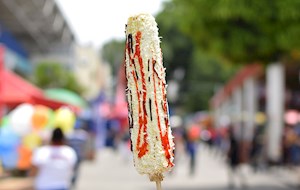
Elote loco

Elote loco is a Salvadoran street-food preparation made from a whole ear of boiled or grilled corn coated with a mix of creamy, tangy, savory, and spicy toppings, most commonly mayonnaise, mustard, ketchup, grated cheese, and hot sauce. It is especially associated with fairs, school events, town festivals, parks, and street stalls across El Salvador, where the corn is served on a stick and eaten by hand. The name means “crazy corn,” referring to the heavy combination of sauces and toppings rather than to one specific ingredient, and the snack developed from the wider Central American habit of seasoning cooked corn with cheese, chile, and acidic condiments, later taking on the more colorful bottled-sauce style now strongly associated with Salvadoran street food. Preparation is straightforward: a fresh ear of corn is cooked until tender, skewered, then coated or striped with mayonnaise, ketchup, mustard, and chile sauce before being covered with grated hard cheese, usually a salty local cheese or Parmesan-style cheese. Some vendors add Worcestershire sauce, lime juice, powdered chile, or extra cheese, but the defining feature is the combination of several sauces layered directly onto the cob. The corn itself remains sweet and juicy underneath, while the toppings make the surface rich, salty, sharp, and mildly to strongly spicy depending on the amount of chile used. Elote loco is generally eaten immediately after assembly, while the corn is still warm, and it is most common as a snack rather than part of a full meal. In El Salvador it is especially popular with children and at public celebrations, but it is eaten by all ages and often sold alongside other street foods such as churros, fried plantains, hot dogs, and snow cones. It pairs naturally with cold soft drinks, horchata, tamarind drinks, fruit juices, or beer, while extra lime or chile sauce can be added at the table or directly from the vendor.
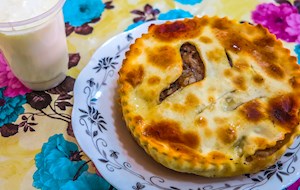
Fitchi

Fitchi is a Turkmen baked meat pie made from a thin, usually unleavened wheat dough wrapped around a generous filling of finely chopped or minced meat, onion, fat, salt, black pepper, and a little water to keep the interior juicy. It is found throughout Turkmenistan and became especially well known as a street and bakery food during the Soviet period; Turkmen sources note that fitchi was already one of the country’s most popular foods eaten outside the home in the 1970s, when the pies were often larger and contained even more onion than many versions made today. Its basic form is simple but quite distinctive: the dough is divided into a larger piece for the bottom and a smaller piece for the top, rolled into circles, and fitted into a shallow round metal mold. The filling, commonly beef or mutton mixed with tail fat and onion, is spread almost to the edges, then covered with the smaller round of dough and sealed tightly so the meat cooks in its own juices. Water is deliberately mixed into the filling, helping create steam inside the closed pie and keeping the meat moist as it bakes. Before baking, the top is usually pricked with a fork and brushed with water, and the pies are cooked until the crust is browned and the filling is fully done; modern home versions are commonly baked in an oven at around 200°C, while older or more rustic versions may be associated with clay-oven baking. The most characteristic fitchi has a high ratio of meat to dough, which makes it substantially different from a lighter pastry or bread snack, and the onion, animal fat, and added liquid give the filling a soft, juicy texture rather than a dry minced-meat consistency. Beef and mutton are both documented, although mutton is especially closely associated with older Turkmen versions, while some newer recipes use beef more commonly for convenience. Fitchi is eaten hot, often as a quick lunch, bakery snack, or casual meal, and individual pies are usually served whole while larger ones may be cut into wedges. It pairs naturally with black or green tea, fresh tomato and cucumber salads, pickled vegetables, or simple yogurt-based accompaniments, but it is filling enough to be eaten on its own.
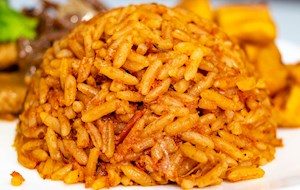
Ghanaian jollof rice

Ghanaian jollof rice is a richly seasoned one-pot rice dish, made by cooking rice directly in a concentrated tomato, onion, and chile sauce until the grains absorb its deep red color and aromatic flavor. It belongs to the wider West African jollof family, but the Ghanaian version has developed a recognizable character of its own, often emphasizing fragrant spices and aromatic rice rather than the firmer parboiled rice strongly associated with Nigerian jollof. Jollof itself is generally connected with the Wolof-speaking region of Senegambia and the historic Jolof state, from where related seasoned rice preparations spread and developed across West Africa; written recipes for jollof were already appearing in West African cookbooks by the early 20th century, although the modern national versions emerged through generations of local adaptation. In Ghana, the dish became firmly established as both an everyday meal and an important food for parties, weddings, family gatherings, and guests, with recipes varying between regions, ethnic communities, and households. Ghanaian cook and food writer Zoe Adjonyoh has documented markedly different approaches among Ewe, Fanti, and Akan cooks, including differences in whether the rice is added directly to the sauce, layered with it, or cooked with vegetables such as carrots and peas, showing that there is no single rigid Ghanaian formula. Preparation usually begins with onions fried in vegetable oil, followed by a sauce of fresh tomatoes, tomato paste, hot peppers such as Scotch bonnet, and seasonings. Ginger and garlic are particularly common, and curry powder, thyme, coriander, nutmeg, or other spices may be included according to the cook; Ghanaian jollof is often described as particularly aromatic, with the seasoning worked carefully into the tomato base before the rice is added. The tomato mixture needs to cook down thoroughly so that its raw acidity disappears and the flavors become concentrated, after which stock or water and washed rice are added. Many Ghanaian cooks favor fragrant varieties such as jasmine or basmati for their aroma and softer, more separate grains, although long-grain rice is also widely used, so aromatic rice should be regarded as characteristic rather than compulsory. The pot is covered and the rice cooks gently in the seasoned liquid, absorbing the tomato sauce as it steams; careful control of moisture is essential because the finished grains should be tender and coated with flavor without becoming wet or mushy. Some versions incorporate carrots or peas, while others keep the rice relatively plain and serve vegetables separately, and chicken, goat, beef, or fish stock may be used to deepen the base depending on what accompanies the meal. Ghanaian jollof is closely associated with the well-known Ghana–Nigeria jollof rivalry, but the differences between the two styles extend beyond national pride: Nigerian versions commonly favor long-grain parboiled rice and often prize the smoky character of party jollof, while many Ghanaian versions lean toward fragrant rice and a more aromatic combination of ginger, garlic, spices, tomato, and chile. Ghanaian jollof is served throughout the country at home, in restaurants, at street-food stands, and especially at social gatherings, where a large portion of rice is usually accompanied by fried, grilled, or stewed chicken, beef, goat, or fish. Fried ripe plantain is one of its most characteristic partners, while salads, coleslaw, boiled eggs, shito, or other pepper sauces can also complete the plate. The rice is generally served hot as the central starch of the meal rather than as a side portion, and its combination of tomato, chile, aromatics, and savory stock makes it substantial enough to work with anything from grilled chicken to fried fish. Malt drinks, sobolo, soft drinks, beer, or chilled water are common companions at gatherings, although no single beverage is specifically tied to Ghanaian jollof.
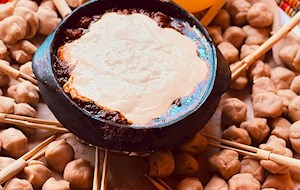
Tihlo

Tihlo is a barley-based snavk from Tigray in northern Ethiopia, especially associated with the historical Agame area in the eastern part of the region. It consists of small pieces or balls of firm dough made from roasted barley flour, usually arranged around a bowl of spicy stew and eaten by dipping each piece into the sauce. Tihlo developed within the barley-based food culture of the Tigrayan highlands, where barley has long been one of the most important cereals because it grows well at higher elevations and can be stored, roasted, and milled into several different foods. Preparing the flour is an important part of the dish: barley grains are dehulled, cleaned, soaked briefly, dried, and traditionally roasted with a small amount of sand on a hot clay griddle before being separated from the sand and milled into a very fine flour. The roasted flour is then mixed with water and kneaded into a thick, smooth dough that is firm enough to hold its shape without further cooking. Small portions are pinched off by hand and formed into compact pieces, which are placed around or beside the accompanying sauce. One of the most characteristic accompaniments is a hot meat stew seasoned with berbere, although tihlo can also be served with shiro, tomato-based sauces, or pulse-based preparations during fasting periods. The roasted barley gives the dough a pronounced toasted, nutty flavor and a dense texture quite different from injera or boiled cereal porridges. Tihlo also has a distinctive way of being eaten: diners commonly use a small two-pronged wooden utensil known as a shentar or shint'ar to spear a piece of dough and dip it into the central stew. In some communities, the person who forms the tihlo pieces formally begins the meal by eating the first one, a custom recorded in eastern Tigray. Tihlo is often prepared for communal meals, holidays, and gatherings, but it can also be eaten as a substantial snack or main meal. Its mild but deeply roasted barley flavor works particularly well with berbere-rich meat sauces, shiro, hilbet, and tomato-based stews, while yogurt can provide a cooling contrast to stronger chile seasoning. Honey wine such as tej or mes is sometimes served with it, while coffee or tea also fit naturally with the broader meal.
Gomen
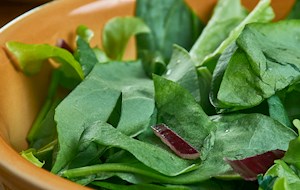
Ethiopian kale (lat. Brassica carinata), is a leafy brassica native to northeastern Africa and especially associated with the highlands of Ethiopia and Eritrea, where its tender leaves are eaten as greens and its seeds have also been cultivated for oil. Despite its common English name, it is not the same species as the European kales belonging to Brassica oleracea; Ethiopian kale, also known as Ethiopian mustard or Abyssinian mustard, is an allotetraploid plant that developed from Brassica nigra and Brassica oleracea, most likely in or around the Ethiopian highlands. Its cultivation in northeastern Africa stretches back several millennia, although the exact timing of its domestication remains uncertain, and the crop became particularly well adapted to the relatively cool highland environment, where its tolerance of drought and heat and resistance to several plant diseases made it useful to small-scale farmers. In Ethiopia it is also known as Yehabesha gomen, while the name gomen zer is associated particularly with the plant as an oilseed crop. The leaves are broad, usually green with noticeable veins, and have a stronger, slightly mustard-like flavor compared with many common kales and collard greens. They are generally harvested while still tender and cooked rather than eaten raw, commonly by boiling, braising, or simmering them with onions, garlic, ginger, and fresh green chilies. One of their most characteristic uses is in gomen, the Ethiopian preparation of cooked leafy greens served with injera, although other cabbage and kale species can also be used for that dish. Ethiopian kale can also be incorporated into stews or simply boiled and served as a vegetable, while in Eritrea the leaves are likewise eaten cooked or as a boiled side dish. The plant is unusual in being valued for more than its foliage: its seeds contain oil and have long been cultivated in Ethiopia for this purpose, while the sharp-tasting seeds can also be used as a seasoning. The leaves are most closely associated with highland meals built around injera and a selection of stews, pulses, and vegetables, where their slightly bitter, mustard-like flavor provides contrast to richer dishes. Ethiopian kale works especially well with misir wat, shiro, kik alicha, meat stews, and mild fresh cheese such as ayib, while tea, coffee, water, or beer can accompany the wider meal rather than serving as a specific pairing for the greens themselves.
Bolgheri Superiore

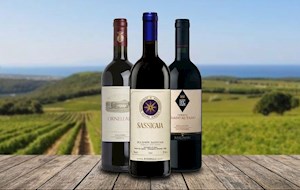
Bolgheri Superiore is a red wine produced in the Bolgheri area along the Tuscan coast in the province of Livorno, within the Tuscany region of Italy, and it represents the highest tier within the Bolgheri DOC framework, defined by stricter aging and structural requirements than standard Bolgheri Rosso. Its development is tied to the transformation of Bolgheri from an agricultural zone dominated by cereals and olives into a viticultural area focused on international grape varieties, a shift that accelerated in the second half of the twentieth century as producers identified the suitability of the coastal climate, alluvial and clay-rich soils, and moderated temperatures for Bordeaux varieties, leading to regulatory recognition that distinguished Superiore wines through longer maturation and higher minimum alcohol levels. Production centers on blends dominated by Cabernet Sauvignon, often combined with Merlot, Cabernet Franc, and occasionally Petit Verdot, with grapes harvested at full phenolic ripeness, fermented under controlled conditions, and aged for a minimum of two years including at least one year in oak, followed by bottle aging before release, a process designed to stabilize structure and integrate tannins rather than emphasize immediate approachability. A defining characteristic of Bolgheri Superiore is the balance between ripeness and restraint shaped by maritime influence, which tempers heat and preserves acidity, while the mandatory aging requirement differentiates it clearly from other wines in the same area by prioritizing longevity and compositional depth. It is consumed primarily at the table during formal meals and in restaurant settings, served at moderate cellar temperature and decanted when young, and it pairs well with grilled or roasted red meats, game, aged cheeses, and dishes based on long-cooked sauces, while it is most often enjoyed as an accompaniment to dinner rather than as an aperitif or standalone drink.
Cherokee purple

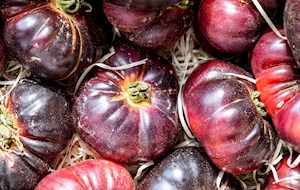
Cherokee Purple is a large, indeterminate heirloom beefsteak tomato known for its dusky pink-purple skin, dark crimson flesh, persistent green shoulders, and unusually complex flavor. Its taste combines sweetness and acidity with deeper savory, earthy, and sometimes lightly smoky notes. The fruit is juicy and fleshy, usually weighing around 8 to 16 ounces, although larger specimens occur. Its relatively soft skin and tender interior make it more delicate than many modern commercial tomatoes. Cherokee Purple is a mid-season to moderately late tomato, with seed companies listing roughly 72 to 85 days from transplanting to the first ripe fruit. Because Cherokee Purple is indeterminate, the vines continue growing, flowering, and setting new fruit throughout the season. They benefit from strong stakes, cages, or trellises to support both the vines and the heavy tomatoes. The harvest usually begins in mid- to late summer in temperate growing regions and can continue into early autumn until cold weather stops the vines. Fruit does not ripen in one concentrated crop. Instead, tomatoes mature gradually over several weeks, so ripe specimens are picked individually as their color and texture develop. Judging ripeness requires more than waiting for the shoulders to turn red. Cherokee Purple naturally retains dark green or green-brown coloring around the stem even when fully mature. The rest of the skin changes from green to a characteristic dusty rose, dusky pink, brownish purple, or deep reddish-purple. A ripe fruit feels firm but gives slightly under gentle pressure, particularly toward the blossom end. The interior develops its characteristic crimson, purple, brown, and green tones as the fruit reaches full maturity. Fully colored tomatoes can be picked directly from the vine for immediate use. Because the fruit is soft, it is best lifted gently or cut from the stem rather than pulled roughly. Slightly underripe fruit can also be harvested once it has begun changing color and allowed to finish ripening indoors. Fully ripe Cherokee Purple does not have the long storage life or shipping durability of firmer commercial hybrids, so it is best eaten relatively soon after harvest. Thick raw slices are one of the simplest ways to show off its flavor. Coarse salt and freshly ground black pepper sharpen the contrast between the tomato’s sweetness, acidity, and savory character. Leaving salted slices for several minutes brings moisture to the surface and seasons the flesh more deeply, but five minutes is a useful serving technique rather than a fixed rule. Cherokee Purple is particularly well suited to tomato sandwiches and BLTs. Thick slices can be placed between toasted white bread spread generously with mayonnaise and combined with crisp bacon. The tomato supplies enough juice and acidity to balance the fat from the bacon and mayonnaise. Thick wedges or slices of tomatoes are also good paired with fresh mozzarella, basil, extra virgin olive oil, salt, and black pepper. The tomato’s dark flesh, green shoulders, and substantial texture make it especially striking in simple summer salads. It also works with soft cheeses, fresh herbs, raw onion, toasted bread, and vinaigrettes. Despite its reputation as a fresh-eating tomato, Cherokee Purple is not unsuitable for heat. Cooking does soften its already tender flesh and releases a considerable amount of juice. However, it can still be roasted, baked, added to pasta, used on pizza, or reduced into tomato sauce. Its high moisture content makes it less efficient for thick sauces than a dense plum or paste tomato, which contains proportionally more flesh and less liquid. It can also be canned. The documented modern history of Cherokee Purple begins in 1990. That year, tomato collector and chemist Craig LeHoullier received seeds from John “J. D.” Green of Sevierville, Tennessee. Green explained that the seed had been passed to him through Jean Greenlee of Rutledge, Tennessee, and that her family had grown the tomato for generations. According to the family account, the original seed had been received from members of the Cherokee Nation more than a century earlier. This reported nineteenth-century origin has never been independently documented, so it remains an oral history rather than a confirmed botanical record. Southern Exposure Seed Exchange nevertheless lists Cherokee Purple as a pre-1890 Tennessee heirloom of reported Cherokee origin. LeHoullier grew the seeds and was struck by the unusually dark fruit, which developed a dusky pink-purple exterior, green shoulders, and dark coloration extending into the flesh. At the time, tomatoes with this type of brown-purple coloring were almost unknown in commercial seed catalogs. He named the cultivar Cherokee Purple, combining its reported origin with its distinctive color. LeHoullier sent seed to Jeff McCormack of Southern Exposure Seed Exchange in 1991. McCormack decided to offer the unusual tomato commercially, and Cherokee Purple made its catalog debut in 1993. Southern Exposure initially described it as suitable “for the more adventurous” because its dark interior looked so different from the uniformly red slicing tomatoes familiar at the time. The cultivar subsequently became one of the best-known purple or “black” heirloom tomatoes and helped bring dark-fruited tomatoes into mainstream home gardening. The cultivar’s popularity later produced several related selections and mutations. Cherokee Chocolate appeared in LeHoullier’s garden in 1995 as a spontaneous skin-color mutation of Cherokee Purple. Cherokee Green followed in 1997 from seed associated with Cherokee Chocolate, producing fruit that remained green when ripe. Two closely related cultivars emerged from Cherokee Purple and preserve much of its characteristic fruit shape and flavor while changing its color. Cherokee Chocolate appeared in Craig LeHoullier’s garden in 1995 as a spontaneous skin-color mutation of Cherokee Purple. The mutation produced yellow rather than clear epidermis over the dark crimson flesh, resulting in a deeper brown or mahogany appearance. The fruit remains similar in size and structure to Cherokee Purple, with firm but very juicy flesh and a sweet, slightly tart flavor. After establishing that the trait remained stable through saved seed, LeHoullier named and distributed it. Victory Seed Company introduced Cherokee Chocolate commercially in 2004. Cherokee Green followed in 1997. LeHoullier grew Cherokee Chocolate seed obtained from another seed saver and found one plant producing fruit that remained green-fleshed when ripe. He initially suspected an accidental cross, but repeated growing showed that the trait remained stable, suggesting a mutation. Cherokee Green retains a fruit shape, plant habit, and flavor similar to Cherokee Purple and Cherokee Chocolate. Its flesh stays bright green at maturity, while the skin develops a yellowish or amber cast that helps indicate ripeness. LeHoullier sent stabilized seed to Victory Seeds in 2003.
Sidama
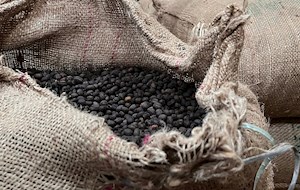
Sidama coffee is a high-altitude Arabica coffee from the Sidama Region of southern Ethiopia, grown mainly on small farms spread across the highlands south of Lake Hawassa. It is known for lively acidity, a medium to full body, and a wide aromatic range that can include citrus, flowers, spice, berries, tropical fruit, and black tea. Internationally, the older spelling Sidamo is still common on coffee bags and in Ethiopia’s historic trademark system, but Sidama is the current regional name and is increasingly preferred by producers and specialty-coffee traders. Coffee has been cultivated in the area for generations as part of mixed household farming systems in which coffee shrubs grow alongside enset, fruit trees, and native shade trees. This garden-style agriculture remains one of the defining features of Sidama production, and most farms are relatively small rather than large estates. Ripe cherries are usually picked by hand and taken to nearby washing stations or cooperative facilities, where they are sorted and processed. Sidama is not tied to one single cultivar. The region contains a wide range of local Arabica material as well as widely planted Ethiopian selections such as 74110 and 74112, and the exact character of the coffee changes noticeably between districts, villages, and even neighboring farms. Elevation is one of the main reasons for this variation, with many coffee-growing areas lying between roughly 1,500 and 2,200 meters above sea level. At higher elevations, cooler temperatures slow cherry maturation, giving sugars and aromatic compounds more time to develop before harvest. Washed processing has played a particularly important role in Sidama’s international reputation. In this method, freshly picked cherries are pulped, fermented to remove the remaining mucilage, washed with clean water, and dried, usually on raised beds. The resulting coffees tend to show greater clarity, crisp acidity, floral notes, citrus, and spice. Natural processing follows a different path: the whole cherries are dried before the beans are removed, producing fuller-bodied coffees with greater sweetness and more pronounced fruit flavors, often suggesting berries, peach, or tropical fruit. The main harvest generally runs from early autumn through the end of the year, although timing shifts with altitude and local weather. Once dried, hulled, graded, and exported, high-quality Sidama is usually roasted light to medium so that its regional character remains visible rather than being dominated by roast flavor. Washed lots work especially well with pour-over and other filter methods that emphasize brightness and clean aromatics, while natural coffees can produce richer filter brews and expressive espresso. In Ethiopia, Sidama-grown beans are also consumed within the broader buna coffee culture, where coffee may be roasted shortly before brewing and prepared in a jebena rather than through modern specialty-coffee equipment. The same crop therefore exists in two overlapping contexts: as an everyday regional beverage and as one of Ethiopia’s most important specialty-coffee exports. Sidama coffee is usually best served with relatively simple foods that do not overpower its aroma. Citrus-driven washed versions pair well with lightly sweet pastries, almond cakes, plain biscuits, fresh cheese, and fruit such as apricot or peach, while sweeter natural lots work well with chocolate, dates, berries, and richer baked goods.

Campari spritz
Campari spritz is a wine-based aperitif made with Campari, Prosecco, and soda water. It has a vivid red color, lively carbonation, and a pronounced bittersweet flavor shaped by citrus peel, herbs, and aromatic roots. The wider spritz family is commonly linked to the 19th-century Veneto, when the region was part of the Habsburg Empire. Austrian soldiers and officials reportedly found the local wines stronger than those they usually drank and asked for a splash of water to dilute them. The name is generally connected to the German verb spritzen, meaning “to splash” or “to spray.” This early combination of wine and water later evolved into sparkling wine mixed with soda and into bitter aperitifs. Gaspare Campari created his namesake red bitter in Novara in 1860. Its closely guarded formula uses an infusion of bitter herbs, aromatic plants, and fruit. By the mid-20th century, Campari was increasingly mixed with sparkling wine and soda throughout northern Italy, creating a stronger, more bitter alternative to the sweeter Aperol spritz. The official formula follows a 3–2–1 ratio: three parts Prosecco, two parts Campari, and one part soda water. This usually means 90 milliliters of Prosecco, 60 milliliters of Campari, and 30 milliliters of soda, though smaller measures can be used as long as the proportions remain the same. A large wine glass or balloon glass is filled generously with ice. The Prosecco is poured first, followed by Campari and soda water. Adding the sparkling wine before the bitter helps the ingredients combine with less stirring, which protects the carbonation. The drink is stirred gently and served over ice. Campari’s official garnish is a fresh orange slice, sometimes joined by a strip of orange zest. A green olive also appears in some Venetian-style servings, although it is more closely associated with the Select spritz than with the standard Campari version. The orange garnish reinforces Campari’s citrus notes and slightly softens its bitter aroma. An olive creates a more savory contrast, bringing saltiness to the sparkling wine and bitter liqueur. Compared with an Aperol spritz, the Campari version is darker, less sweet, more alcoholic, and more firmly bitter. The Prosecco supplies fruit and acidity, while the soda lengthens the drink and keeps its herbal intensity from becoming too heavy.

Thin Mints
Thin Mints are round, peppermint-flavored chocolate wafers completely enrobed in dark chocolate, distributed exclusively in the United States by the Girl Scouts of the USA. A version of this confection first emerged in 1939 under the name Cooky-Mints, evolving through various iterations and title adjustments such as Chocolate Mint and Chocolate Thin Mints before solidifying its current identity and becoming the highest-selling item in the organization's entire catalog. The cookies are served straight from the protective foil sleeves and cardboard boxes, without any cooking or plating, although chilling or freezing the packages prior to consumption is a common practice to alter the textural snap of the outer layer. Unlike other items in the national lineup, which have different names and distinct recipes depending on the specific manufacturing facility, this is the sole product that retains the same moniker regardless of whether it is produced by ABC Bakers or Little Brownie Bakers, and both factory formulations are entirely vegan. Individuals across the American market eat these treats primarily by hand as a standalone dessert during the official late-winter-to-spring sales window. The pronounced peppermint oils and dark cocoa notes create a sharp flavor profile that pairs effectively with hot beverages like brewed coffee, hot chocolate, and matcha green tea, while crushed segments are frequently incorporated into cold dairy products, serving as a standard mix-in or ice cream topping.
Benevento
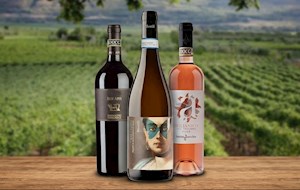
Benevento refers to wines produced in the area around the city and province of Benevento in the inland part of the Campania region of Italy and released under the Benevento IGT designation, which covers red, white, and rosé wines made across a broad hilly territory known for mixed agriculture rather than coastal influence. Wine production in this area developed alongside cereal farming, olive cultivation, and livestock raising, with vineyards established on limestone and clay soils at moderate elevations where continental temperature variation supported consistent ripening, and over time this inland setting encouraged a style of wine centered on balance and reliability rather than concentration or luxury positioning. Benevento wines are produced from a wide range of grape varieties, including local grapes such as Falanghina, Greco, Fiano, and Aglianico as well as international varieties, with vinification generally carried out in stainless steel to preserve clarity and freshness, while some red wines may see brief oak contact depending on producer intent, and the emphasis remains on drinkability rather than extended aging. A defining aspect of Benevento wine is the flexibility allowed within the appellation, which permits producers to adapt grape choice and style to vineyard conditions and market needs while maintaining a clear geographic reference to the Sannio area. These wines are consumed primarily as table wines in homes, restaurants, and local settings throughout Campania, served according to style from chilled whites to lightly cool reds, and they pair well with vegetable dishes, legumes, grilled meats, fresh cheeses, and simple pasta preparations, making them common choices for everyday meals rather than wines reserved for ceremonial or standalone consumption.
Pierogi z Głowna

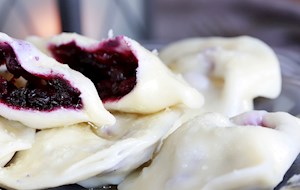
Pierogi z Głowna are Polish dumplings from the town of Głowno, distinguished since the early 1900s by a highly elastic, oil-enriched dough and the filling of local summer fruit or farmer's cheese. Cooks in this area historically added a small amount of cooking oil to the standard mixture of wheat flour, warm water, and whole eggs. This extra fat limits gluten development, yielding a remarkably soft, pliable dough that can be stretched incredibly thin to hold massive amounts of filling without tearing or bursting in the boiling water. The fillings relied completely on the immediate surrounding landscape, with fruit fillings gaining major popularity during the interwar period. In the summer, the pierogi are tightly packed with raw, locally foraged wild blueberries and raspberries, or orchard harvests like apples, pears, sour cherries, and plums; because the fruit is sealed in raw, it physically bursts during boiling, creating a natural, concentrated hot jam. The other primary filling utilizes fresh, unaged Polish farmer's cheese twaróg, prepared in two entirely different ways depending on the calendar. On regular weekdays, the cheese is strictly savory, seasoned with sharp black pepper, salt, and deeply browned onions. For festive holidays, that same cheese is turned into a rich dessert, bound together with local honey, plump raisins, and refined beet sugar. Always folded into precise five-centimeter (2-inch) crescents and pinched shut with a signature ruffled edge, these dumplings achieved such high quality that locals regularly traveled to sell them at demanding city markets in Łódź, Łowicz, and Warsaw. To finish the dish, they are always served steaming hot straight from the pot, with the savory cheese versions traditionally buried under rendered pork fat and crispy cracklings, while the sweet fruit and holiday cheese variations are completely drenched in melted butter and thick sour cream.
Gomen
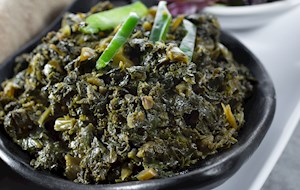
Gomen is an Ethiopian preparation of leafy greens, most commonly collard greens or Ethiopian kale, slowly cooked with onion, garlic, ginger, green chili, and either oil or niter kibbeh until tender and deeply seasoned. The Amharic word gomen can refer both to leafy cabbage-type greens and to the cooked dish itself, and the preparation is closely connected with the Ethiopian highlands, where hardy Brassica greens have long been grown alongside grains and pulses. Ethiopian kale, is particularly well adapted to the region and is one of the greens historically associated with local agriculture, although collards and kale are now commonly used both in Ethiopia and abroad. Gomen also has an important place in Ethiopian Orthodox fasting cuisine, since versions made with vegetable oil contain no animal products and can be eaten during periods when meat and dairy are avoided. Outside fasting periods, niter kibbeh may replace the oil, giving the greens a richer flavor from the spices infused into the clarified butter. Preparation generally begins by removing the thick stems from the greens and chopping or shredding the leaves; some cooks blanch them briefly first to soften their texture and moderate their bitterness, while others cook them directly in the pan. Onions are softened in oil or niter kibbeh, followed by garlic and ginger, and the greens are then added with a small amount of water and cooked until fully tender. Fresh green chilies are common but usually provide only moderate heat, since gomen is typically milder than the berbere-heavy stews served beside it. The dish can range from relatively bright and just-tender to darker, more thoroughly braised greens depending on the household, but it should remain moist rather than soupy. Variations include gomen be siga, in which beef is cooked with the greens, and preparations served with ayib, Ethiopia’s mild fresh curd cheese. Gomen is usually served on injera as part of a larger shared meal and is especially common on fasting platters alongside misir wat, shiro, kik alicha, cabbage, potatoes, and other vegetable dishes; its relatively mild garlic-and-ginger flavor also makes it a natural counterpart to spicy meat stews. It is particularly well known as an accompaniment to kitfo, often appearing together with ayib and injera. Water, tea, or Ethiopian coffee fit naturally with a vegetable platter, while beer or tej can accompany gomen when it is served with meat dishes outside fasting periods.
Nigerian jollof rice

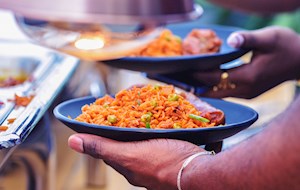
Nigerian jollof rice is a deeply seasoned one-pot rice preparation, known for its red-orange color, pronounced tomato-and-pepper flavor, and, in its celebrated party version, a distinctive smoky finish. It belongs to the wider West African jollof family, whose development is closely associated with the Wolof-speaking Senegambian region before related rice dishes spread and changed across the region; by the 20th century, Nigeria had developed a recognizable version shaped by its own ingredients, rice preferences, and cooking methods. Nigerian jollof is typically made with long-grain parboiled rice, which holds its shape during prolonged cooking and absorbs the seasoned liquid without becoming excessively soft. The flavor begins with a blended base of tomatoes, red bell or tatashe peppers, hot Scotch bonnet or habanero peppers, and onions, often supplemented with tomato paste for a more concentrated color and taste. This mixture is fried in vegetable oil until much of its water has evaporated and the tomato loses its raw flavor, after which seasonings such as thyme, Nigerian curry powder, bay leaves, black pepper, stock, and seasoning cubes may be added. The rice is then cooked directly in this concentrated sauce, usually in a tightly covered pot with only enough liquid to steam the grains through, allowing them to absorb the pepper base rather than simply boiling in excess water. One of the most recognizable Nigerian forms is party jollof, associated with weddings, birthdays, naming ceremonies, holidays, and other large gatherings. Large batches are often cooked over firewood in heavy pots, and the combination of intense heat, a well-fried tomato base, and a layer of rice catching at the bottom creates the smoky aroma particularly prized in party jollof. Home cooks reproduce the effect by allowing the bottom layer to toast slightly while the covered rice steams, without stirring the burnt portion back through the pot. Nigerian jollof is generally drier and more intensely seasoned than a simple tomato rice, with separate grains, concentrated pepper flavor, and enough oil to carry the seasoning without leaving the finished rice greasy. It is eaten throughout Nigeria both as an everyday meal and as one of the standard foods of large celebrations, usually accompanied by fried or grilled chicken, beef, goat, or fish. Fried ripe plantains, commonly called dodo, are one of its most familiar partners, while moi moi, coleslaw or Nigerian salad, and fried vegetables may complete the plate. Malt drinks, soft drinks, beer, zobo, or chilled water commonly accompany the meal, particularly when jollof is served at parties and other large social occasions.

Bandol

Bandol is an appellation in southeastern France located along the Mediterranean coast in the Var department between Toulon and Marseille. It covers the communes surrounding the town of Bandol and is recognized for red, rosé, and white wines, with reds forming the core identity of the appellation. The vineyards lie on south-facing slopes and terraces overlooking the sea, benefiting from high sunlight exposure, limestone-based soils, and strong maritime winds. The appellation was granted AOC status in 1941, making it one of the earlier controlled designations in Provence, and its regulations were shaped around the dominant role of Mourvèdre, the grape considered best suited to the region’s climate and geology. The winemaking culture in this area developed from long-standing viticulture around the port of Bandol, which had been exporting wine for centuries prior to the establishment of formal appellation rules. By the early twentieth century, growers were replanting Mourvèdre more extensively after phylloxera, recognizing its capacity to withstand heat and benefit from the region’s limestone terraces. This led to the codification of Mourvèdre as the principal grape of the AOC, requiring at least 50 percent in red wines, though many estates exceed that proportion. The rosé and white wines of the appellation emerged within the same regulatory framework, though with different permitted blends involving grapes such as Cinsault, Grenache, Clairette, Ugni Blanc, and Bourboulenc. Production methods in Bandol emphasize low yields, hand harvesting, and extended aging for reds. Red Bandol must age a minimum of eighteen months in wood, often in large foudres, a requirement that shapes the structure and tannin profile of the wines. Rosé is typically produced through direct pressing or short maceration to preserve freshness, while whites are generally fermented at controlled temperatures to maintain clarity of aroma. The microclimate, influenced by sea breezes and the Mistral wind, helps maintain balance in the grapes despite the area’s high summer temperatures. A defining element of Bandol is the legally mandated prominence of Mourvèdre in the red wines, which distinguishes the appellation from other Provençal regions where blends are more flexible. The combination of coastal exposure, limestone soils, and strong winds contributes to conditions that favor slow, steady ripening of Mourvèdre, influencing the character and aging capacity of the wines. The terraced “restanques” common in the region also shape vineyard layout and labor, as they require manual work and careful erosion management. Bandol wines are consumed in Provence, across France, and internationally. Red Bandol is served at room temperature and often benefits from decanting, appearing alongside lamb, beef stews, roasted meats, and dishes featuring olives or Mediterranean herbs. Bandol rosé, typically more structured than many other rosés from the region, is served chilled and pairs with seafood, grilled vegetables, charcuterie, and lighter Provençal dishes. White Bandol, made in smaller quantities, accompanies fish, shellfish, and dishes with citrus or herbal elements. In local restaurants along the coast, Bandol wines are frequently matched with regional specialties such as bouillabaisse, aioli platters, or grilled fish, reflecting the area’s maritime setting and culinary preferences.

Kasutado taiyaki

Kasutado taiyaki is a dessert in the form of a fish filled with custard, representing a fascinating intersection between traditional Japanese street vendors and European patisserie. As Japan increasingly embraced Western culinary techniques (yōshoku) throughout the latter half of the 20th century, local bakers began experimenting with ingredients far removed from traditional legumes. By injecting rich, vanilla-scented pastry cream into the familiar fish-shaped molds, they created a contemporary classic that fundamentally changed the landscape of Japanese grab-and-go sweets. It is crucial to understand that Japanese bakery custard does not resemble the loose, hyper-sweetened puddings often found in North American grocery stores. Instead, it is heavily inspired by French crème pâtissière. To withstand the intense heat of the cast-iron baking process without liquefying or breaking, confectioners craft a structurally stable cream. A precise ratio of egg yolks, cornstarch, and cake flour is whisked into scalded milk. This creates a dense, gelatinous mixture that holds its shape even when piping hot. However, the sweetness is surprisingly restrained. The primary flavor driver is high-quality vanilla extract or a whole vanilla bean, which provides a floral, aromatic depth that pairs naturally with the dough's toasted notes. When working with dairy-based, moisture-rich centers, bakers must alter their approach to the outer shell. A brittle, water-based crust—which works perfectly for dry, dense bean pastes—often becomes unpleasantly soggy when filled with warm cream. To combat this, kasutado taiyaki is almost exclusively prepared using a fluffy, aerated batter. By incorporating whole eggs, milk, and a higher proportion of baking powder, the dough yields a sponge-like crumb. This thicker, pancake-style boundary acts as an insulating barrier, soaking up just enough moisture from the custard to become beautifully tender without collapsing. The introduction of this Western-style filling was a strategic move of the Japanese baking industry. It immediately captured the attention of children and younger generations who were growing up with a preference for dairy and chocolate over traditional wagashi (Japanese sweets). Furthermore, it serves as the perfect gateway dessert for international tourists who might be hesitant to try sweetened beans. Today, it stands shoulder-to-shoulder with the original flavors, completely cemented as a permanent fixture at festivals, train stations, and shopping arcades across the country.
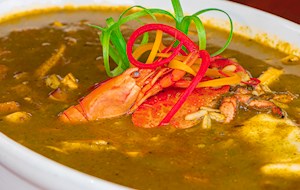
Aguadito de mariscos

Aguadito de mariscos is a traditional soup known for its vibrant green color and its capacity to "revive" or reenergize the eater, making it a popular remedy for hangovers. The soup's signature green color comes from coriander, which is blended with garlic, onions, and peppers to create a flavorful base. This mixture is then sautéed to release its aromas before broth is added. As the name suggests, a medley of seafood, including shrimp, mussels, squid, and sometimes fish, is added to the soup. The freshness of the seafood is paramount, as it's the star of the dish. Rice is a common ingredient, providing some starchiness to the soup. Often peas, corn, and bell peppers are added for extra flavor and texture. The soup sometimes includes potatoes, which absorb the rich flavors of the broth. While the soup has a fresh, herby flavor from the coriander, it can also have a spicy kick, usually from aji amarillo (yellow chili pepper) or other Peruvian chili peppers. Aguadito de mariscos is typically served hot, garnished with lime wedges. The lime's tanginess complements the soup's flavors and enhances its refreshing quality.
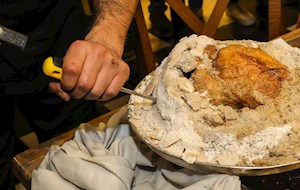
Pollo in crosta di sale
Pollo in crosta di sale is a traditional poultry dish, consisting of chicken in a salt crust. The dish is usually made with a combination of a whole chicken, flour, sea salt, egg whites, rosemary, bay leaves, and seasonings. The chicken is seasoned with salt and pepper, while the rosemary and bay leaves are placed inside the cavity. It is then placed into an ovenproof dish and completely covered with a mixture of sea salt, flour, and egg whites. The dish is baked for mroe than an hour. When served, the salt crust is broken and the chicken is carved into pieces.
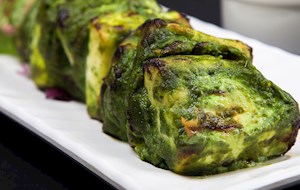
Pudina paneer tikka

Pudina paneer tikka is a traditional appetizer or a snack originating from the northern parts of the country. The dish consists of paneer cheese that's marinated with mint and a variety of spices, then grilled. The ingredients typically include paneer cottage cheese, oil, mint, ginger-garlic paste, chili peppers, coriander, yogurt, garam masala spices, cumin powder, lemon juice, and salt. After a few hours of marinating, the paneer is placed on skewers with chili peppers and onions, then grilled on a tawa until golden brown. The dish can also be prepared in a tandoor oven. Once prepared, pudina paneer tikka is usually served as a starter with green chutney on the side.
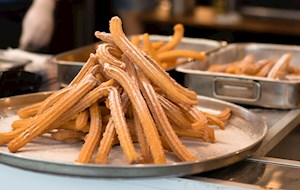
Churros

Elongated, crispy, crunchy and intensely fragrant, churros consist of deep-fried yeast dough encrusted with sugar. Although some may argue against consuming these sweet treats, warning others about the dangerous effects of sugar and fat on human bodies, the popularity of churros throughout the world doesn't seem to wane. Originally invented by Spanish shepherds who could easily cook them in a pan over an open fire, today these unusually shaped, cinnamon sugar sprinkled twists are most commonly eaten in Spain and Latin America as a hot breakfast food, accompanied by a strong cup of coffee or a cup of thick hot chocolate. Their characteristical shape is achieved by pressing the dough through plastic tubes so it emerges on the other side in thin, ridged ropes. Although churros are a Madrid specialty, the ones found in Seville are often praised because they differ in a lighter and more delicate texture. In Cuba, they may be filled with guava, in Mexico with dulce de leche, and in Uruguay with cheese. Regardless of the varieties, churros are an indulgence that must be tried at least once.
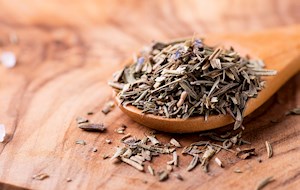
Thym de Provence
Thym de Provence is an evergreen herb with culinary, medicinal and ornamental uses. It is called Farigoule in Provence and best known as one of the basic components in a classic Bouquet garni or in a spice mixture known as Herbes de Provence. One of the most fragrant herbs one can grow, Thym de Provence has a lemony aftertaste giving freshness to various stews, marinades, sauces, soups and salads. It blends perfectly with tomatoes, either fresh or processed, fried vegetables, grilled goat cheese or roasted poultry. Thyme is also used in various desserts, fruit salads, jams, pies, muffins, sorbets etc. When used in infusion, thyme is an excellent digestif, it helps the body assimilate the high iron content of certain food and regulates circulatory problems. Together with lavender and rosemary, thyme is among the most popular aromatic plants of Provence.

Karantika

Known as karantika in Algiers and calienté in Morocco, this beloved traditional dish traces its origins back to Spanish influence during the colonial period, as its name is derived from the Spanish word calentita, which means "warm." Over time, what began as a humble, filling meal for the working class evolved into one of Algeria’s and Morocco's most cherished street foods, often enjoyed by people of all ages and backgrounds. The essence of the dish lies in its simplicity and rich, comforting flavor. It is made from a smooth batter of chickpea flour, water, oil, salt, pepper, and eggs, which is then baked until it develops a golden, slightly crisp crust on top while remaining creamy and custard-like inside. Some variations of the recipe include a pinch of cumin or a hint of chili to enhance its depth and warmth. When it comes out of the oven, the dish is traditionally cut into generous squares or wedges and often served tucked into a piece of crusty bread, making it perfect for eating on the go. It is common to find street vendors offering it with a dollop of harissa or a smear of mustard to add a spicy or tangy kick that beautifully complements its mild, nutty flavor. Part of what makes karantika or calienté so beloved is its versatility: it can be enjoyed as a snack, a light lunch, or even a comforting dinner.

Roti canai

Roti canai is a traditional pan-fried flatbread made with flour, water, eggs, and fat of Indian origin, but mainly associated with Malaysia, and surrounding countries like Indonesia, Brunei, and Thailand. The dough for roti canai is repeatedly folded, so the final product has a layered texture, a soft interior, and a crispy outer layer. The most common fat used in roti canai is ghee, the traditional Indian clarified butter. It is believed that the dish originated in India when the Indian laborers who migrated to Malaysia brought the recipe and the tradition of preparing this crispy pastry to the foreign country. Usually, it is served plain in its traditional round form, as an accompaniment to curries. It can be served on the side or torn into pieces and mixed with the curry. However, roti canai is often served as the star dish, accompanied by different savory and sweet fillings and ingredients. If additional fillings are added, roti canai is usually shaped into rectangles. For example, in Malaysia, one can find various roti canai types, which are differentiated by the type of filling — egg, onion, egg and onion, banana, sardines, margarine and sugar, Maggi instant noodles, cheese, vegetable, and pork filling are some of the many available. However, roti canai doesn't have to have a filling but only a topping, such as fried eggs, curry, beans, lentils, and coffee beans. But martabak, a thick roti filled with meats, eggs, onions, and spices, is probably the best-known type of roti canai. Apart from Malaysia, it can also be found in Saudi Arabia, Yemen, and a few other countries. Other than Malaysia, a very similar type of flatbread can be found in Singapore, where it's called roti prata. This crispy bread is usually sold by street vendors called mamaks.

Bramble

Bramble is a spring cocktail that was created by Dick Bradsell in 1984 in London. The cocktail consists of dry gin, lemon juice, sweet blackberry liqueur, sugary syrup, and crushed ice. It is named after blackberry bushes which are commonly referred to as brambles. This refreshing cocktail has a strong aroma of fresh berries such as blackberries or raspberries. It is prepared by stirring ingredients with crushed ice in an old-fashioned glass, then pouring blackberry liqueur over the combination in order to create a marbling effect. Before serving, Bramble is typically garnished with blackberries and a slice of lemon.
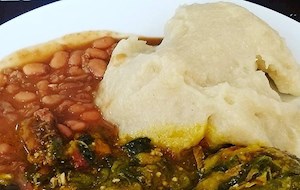
Funge

Known as funge or funje in Angola and Ghana, and mfundi in Democratic Republic of the Congo and Republic of the Congo, it is an essential side dish accompanying breakfast, lunch, and dinner meals in many households of rural families throughout these countries. It is a type of porridge known as swallow, made from cassava flour that is stirred into water. Funge has a sticky, smooth, and creamy texture, while a slightly bland flavor makes it great for evening out the intense spices found in many local dishes. Traditionally, at their most basic, these dishes consist of funge and a full-flavored, spicy sauce.
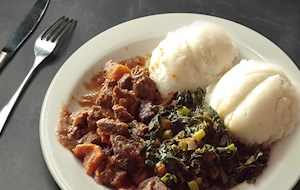
Ugali

Ugali is a stiff maize-based staple food made by cooking maize flour with water into a firm mass, eaten widely across eastern and southern Africa, most prominently in Kenya and Tanzania, and also present under the same name or close variants in many other African countries, where it functions as a primary source of dietary energy rather than a side dish. Its development followed the introduction of maize to Africa from the Americas beginning in the sixteenth century, after which the crop spread rapidly because of its adaptability and yield, gradually replacing earlier millet and sorghum porridges in many areas and becoming embedded in everyday meals due to its affordability, long storage life, and compatibility with diverse local sauces. Preparation involves bringing water to a boil and steadily adding maize flour while stirring continuously to prevent lumps, then cooking the mixture until it thickens into a cohesive mass with no free liquid, a process governed more by experience and texture than by fixed measurements. Serving is immediate, with the cooked ugali shaped into a mound and portioned by hand or spoon, and it is not consumed alone but used to scoop vegetables, legumes, meat stews, or fish, acting as a neutral carrier rather than a flavored component. It is eaten primarily at lunch or dinner in homes, eateries, and communal settings, most often by hand, and it pairs naturally with leafy greens, bean dishes, grilled or stewed meats, and fish sauces, while beverages alongside are typically water, unsweetened tea, or light fermented drinks rather than sweet or acidic options, keeping attention on the accompanying foods rather than the starch itself. Nsima from Malawi, which follows the same method and role at the table and was formally recognized in 2017 when it was inscribed on the Representative List of the Intangible Cultural Heritage of Humanity by UNESCO, reflecting its central place in daily life and social practice.
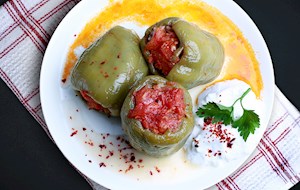
Biber dolması

Biber dolması is a Turkish delicacy consisting of peppers stuffed with a combination of ground meat (beef or lamb), rice, and onions. There are numerous recipes and variations, so additional ingredients such as raisins, pine nuts, mint, and garlic are also often included in the basic combination of fillings. The stuffed peppers are then slowly boiled in water until they soften. It is recommended to serve biber dolması with fresh bread and yogurt on the side. If desired, the dish can be prepared in a vegetarian version - just leave out the meat and serve the peppers cold.
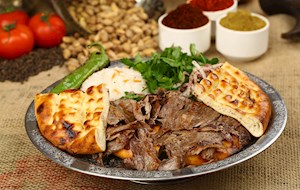
Döner kebab
Döner kebab is a delicacy that is known throughout the world, consisting of grilled pieces of meat that are shredded from a vertical skewer. The meat is typically seasoned with fresh herbs and spices. Originally, the meat used in döner was exclusively lamb, but today in Istanbul, there are kebabs prepared with a combination of lamb and beef, or sometimes only with beef. Meat that is grilled vertically on a skewer isn't a new thing, as it has been mentioned in the 18th-century Ottoman travel books. The sandwich form döner kebab, which means rotating kebab, appeared in the early 1970s in Berlin. It is believed that Kadir Nurman was the first to place the shaved pieces of meat into a flatbread and serve it with vegetables such as tomatoes, lettuce, onions, cucumbers, and a squirt or two of sauce, unlike before, when the ingredients were served on a plate. Along with many of the Turkish variations on döner kebab, there are also numerous other regional variations in countries such as Armenia, Vietnam, Austria, Germany, France, and the United Kingdom.
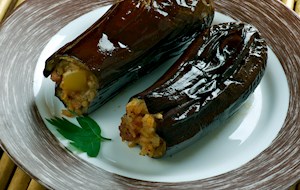
Patlıcan dolmasi
Patlıcan dolmasi is a Turkish take on stuffed eggplants. They are often offered as a meze in many kebab places throughout the country. The dish is typically prepared with dried eggplants, when it’s known as kuru patlıcan dolmasi. The dried eggplants should first be blanched until they soften, and are then stuffed with ingredients such as mint, pomegranate molasses, onions, ground meat, rice, bulgur, currants, or pine nuts. It is recommended to pair stuffed eggplants with yogurt, crusty bread, or green olive salad.

Pastel de nata

Pastel de nata is a traditional egg custard tart that is popular throughout the world. It is believed that for the best result, the filling should not be too sweet and should not have flavors of lemon nor vanilla. Instead, the tarts should be sprinkled with cinnamon and, ideally, paired with a cup of coffee. Originally, this treat was made before the 18th century by Catholic monks and nuns in Santa Maria de Belém in Lisbon. The tart was made from leftover egg yolks that were used in the clearing of wines and starching of clothes. Later on, the clerics made a deal with a nearby bakery to start selling pastel de nata commercially, and the product was a huge success. It is still hugely popular, and the fact can be supported by long lines of people who are waiting on their pastel de nata in front of numerous Portuguese bakeries. However, pastel de Belém's recipe is kept secret, and only the ones produced at the Fábrica Pastéis de Belém can be called pastel de Belém, while all the other egg custard tarts from other producers in Lisbon are called pastel de nata.
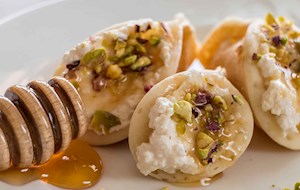
Qatayef

Qatayef is an Arabian dessert and a staple of the Ramadan holiday feast. It is a sweet pancake that is usually filled with cheese or nuts such as walnuts, almonds, pistachios, or hazelnuts. Qatayef can also be consumed plain, topped with clotted cream, or drizzled with sugar syrup. It is believed that nothing is better after the Ramadan fasting than a few nights of socializing and feasting on qatayef, which is either prepared throughout the streets in food stalls or brought over to friends as a sweet gift. Although the dish has Fatimid origins, today it is very popular throughout Levant and Egypt as well, where it is baked in numerous households. The biggest qatayef was made in the city of Bethlehem, currently holding a record with a weight of 104 kilograms and 3 meters in diameter. Apart from the sweet version, qatayef can also come as a savory snack filled with cheese or served plain as a side dish.
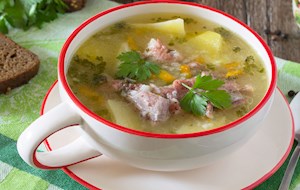
Caldo de costilla

Caldo de costilla is a beef soup from Colombia, namely its Andean region. The soup is a breakfast dish, made by boiling beef ribs with potato slices, onion, garlic, and cilantro leaves. Popularly nicknamed levantamuertos (lit. death’s awaker), due to the fact it’s an effective aid when dealing with a hangover, caldo de costilla is a perfect comfort food dish that is commonly eaten with a side of either arepas, bread, or rice.
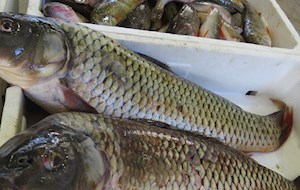
Krap

Carp, locally known as krap or šaran, is a freshwater fish that is endemic to Skadar Lake in southern Montenegro. Scientifically referred to as Cyprinus carpio, this fish is large and fatty, and it can reach up to 25-30 kg in weight. Along with bleak, the Skadar Lake carp account for more than 70% of the total annual catch in the lake, and they are one of the most attractive species for sport fishing in the region. Highly prized and of great economic value in the country, the carp is caught in both deep and shallow waters during the carp fishing season, which starts from June 1st and lasts till March 1st, while fishing of carp during the spawning season (from March through May) is strictly forbidden. Skadar Lake carp mainly feeds on crustaceans, clams, worms, plant seeds, snails, and various other water organisms. In Montenegro, the carp is traditionally preserved through a process that involves salt-curing and smoking with wild pomegranate or willow wood that imparts a unique aroma and a distinctive reddish color to the fish. Renowned for its flavor, smoked carp or dimljeni krap in Montenegrin is a culinary delicacy that is usually paired with local wine.
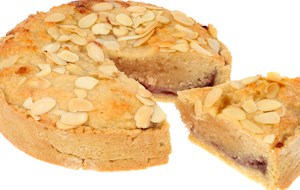
Bakewell tart
Bakewell tart is a traditional dessert consisting of shortcrust pastry filled with fruit jam and a combination of sugar, eggs, ground almonds, and butter. The tart is baked so that it remains light and moist, and it is usually served warm, with a dollop of cream or a scoop of ice cream on the side. The name of the dish is a corruption of the words bad (bath) and kwell (source), referring to the numerous wells that used to flow in the Bakewell area of Derbyshire.
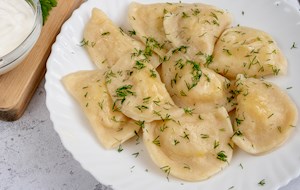
Cjarsons
Cjarsons, also spelled cjarsòns, cjalsons, or cjalzons, are stuffed pasta parcels from Carnia, the mountainous area of Friuli-Venezia Giulia. Their defining feature is the unusual balance of sweet and savory flavors, although there is no single standard recipe. Dozens of versions exist, with the filling changing from valley to valley, village to village, and even from one family to another. Some sources count around 50 different variations. The wrapper may be made from soft wheat flour or from a dough containing boiled potatoes. In potato-based versions, the potatoes are mashed and combined with flour and sometimes water until a soft, workable dough forms. It is rolled into a thin sheet and cut into small rounds, which are filled and folded into crescent-shaped parcels. The filling is known locally as pistùm or pastùm. There is no universally accepted filling. Ricotta frequently forms the base, but it may be combined with cinnamon, raisins, cocoa or dark chocolate, crushed biscuits, dried fruit, nuts, apples, pears, herbs, spinach, chives, parsley, mint, jam, rum, grappa, eggs, or milk. Some versions are distinctly sweet, while others lean toward herbs and vegetables. Smoked ricotta may also appear, although it is more closely associated with the final topping. The wide range of ingredients reflects both seasonal availability and the recipes preserved within individual valleys and families. Once filled, the rounds are folded over and sealed firmly along the edges. The parcels are dropped into boiling, salted water and left until the dough is tender and rises toward the surface. They are then lifted out, drained, and transferred to a warm platter. Cjarsons are commonly finished with melted butter and a generous layer of grated smoked ricotta known in Friulian as scuete fumade. Historically, ont could replace fresh butter. Ont is a preserved butter fat made by heating butter to remove much of its water and milk solids, which allowed it to keep longer during periods when refrigeration was unavailable. It was particularly useful in mountain households where fresh butter could not be stored safely for extended periods. The warm fat coats the pasta, while the smoked ricotta adds saltiness and a pronounced smoky aroma. The history of cjarsons is closely associated with the cramârs, itinerant merchants from Carnia who crossed the Alps on foot carrying goods into Central European territories. Their activity extended over several centuries, from at least the late medieval period into the early twentieth century, although the 18th century is especially associated with the spice trade. They carried their merchandise in a crassigne, a small wooden cabinet with drawers worn on the back like a pack. Depending on the period and route, the cramârs traded spices, medicinal herbs, ointments, textiles, and other valuable goods. According to the best-known account of the pasta’s origins, small quantities of cinnamon, cloves, ginger, nutmeg, dried lemon balm, and other valuable ingredients remained in the drawers when the cramârs returned home. Rather than waste these remnants, their families combined them with ingredients already available in Carnia, including ricotta, dried fruit, raisins, apples, pears, herbs, vegetables, honey, grappa, and occasionally cocoa. This helps explain why cjarsons developed such an unusual mixture of Alpine ingredients and spices associated with trade routes through Central Europe. The filling changed according to what remained in the crassigne and what was available at home, giving rise to the large number of recipes still found across Carnia. Cjarsons were especially associated with major celebrations, including Christmas, Easter, weddings, First Communions, and confirmations, when richer and more elaborate foods appeared on the table. Recipes were often passed down within families, with each household maintaining its own version of the filling. Carnic chef Gianni Cosetti played an important role in bringing cjarsons into wider restaurant culture during the 1970s. Rather than inventing or standardizing one definitive formula, he helped rediscover, document, promote, and elevate the many local versions at a time when older Carnic recipes were receiving renewed attention. His work contributed significantly to establishing cjarsons as one of the best-known culinary symbols of Carnia beyond their original family and village settings.
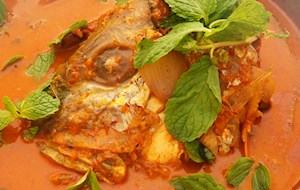
Fish Head Curry

Fish head curry is a robust, highly spiced stew centered on a large fish head simmered with vegetables in a tamarind-based curry. Red snapper, locally called ikan merah, is the best-known choice, although grouper, sea bream, and other large, firm-fleshed fish are also used. The gravy may be thick and enriched with coconut milk or thinner and more sharply sour, depending on the restaurant and culinary style. The most widely accepted origin story dates the creation to 1949, when M. J. Gomez, an immigrant from Kerala who is often identified as coming from Trivandrum, began selling fish head curry from a stall on Sophia Road in Singapore. Fish heads were not generally regarded as premium ingredients within the food culture Gomez knew, but they were highly valued among local Chinese communities, especially for the soft cheek meat, eyes, lips, and gelatinous tissue surrounding the skull. Gomez combined a large fish head with the spices and sour gravy associated with fish curries from Kerala, creating a meal designed for local tastes. Accounts of the exact location and sequence vary slightly. Some place his early eating shop around Mount Sophia in the early 1950s, while later premises operated on Selegie Road. His business eventually closed, but the concept spread rapidly. Other restaurants began offering their own versions, and advertisements for “Gomez fish head curry” and “original Gomez curry” appeared during the 1970s and 1980s. The opening of Muthu’s Curry in 1969 and other well-known curry restaurants helped strengthen its position as one of Singapore’s most recognizable foods. The original idea was therefore not simply imported unchanged from Kerala. It joined a southern Indian spice framework with a local Chinese appreciation for the head of the fish. Malay and Peranakan ingredients and techniques later influenced further versions, turning fish head curry into a clear example of Singapore’s interconnected culinary culture. A typical version begins by heating oil and adding mustard seeds, fenugreek seeds, and fresh curry leaves. As the seeds begin to crackle, onions, garlic, and ginger may be fried until fragrant and softened. Some formulas include sliced green chilies or dried chilies at this stage. A wet spice mixture follows. It commonly contains ground coriander, cumin, turmeric, chili powder, and sometimes fennel, black pepper, or a commercial fish-curry spice blend. The spices are fried in oil long enough to lose their raw aroma without scorching. This stage deepens their flavor and often leaves a visible layer of red, spice-infused oil around the finished curry. Tamarind pulp is soaked in water and squeezed to produce a cloudy, acidic extract. This liquid is added to the fried spices, giving the gravy its defining sourness. Tomatoes can supply further acidity and body. Coconut milk may then be poured in to soften the chili heat, round out the tamarind, and create a thicker, opaque sauce. It is common in many versions but is not essential to every fish head curry. Some restaurants use little or none, producing a thinner and sharper broth. The fish head must be extremely fresh and cleaned thoroughly. The gills, scales, blood, and remaining internal matter are removed because they can give the curry a muddy or bitter flavor. A very large head may be split lengthwise into two halves so that it fits inside the pot and the gravy reaches the inner cavities. Smaller heads can remain intact. Red snapper is strongly associated with the meal because its head is large, fleshy, and sturdy enough to remain intact during simmering. Grouper provides similarly thick cheek meat and abundant gelatin. The head is lowered carefully into the hot gravy rather than stirred aggressively, since rough movement can break the skull apart and scatter small bones through the sauce. Eggplant, whole or trimmed okra pods, and halved or quartered tomatoes are among the most established vegetables. Long beans, onions, pineapple, cabbage, and fried tofu puffs may also appear. Okra thickens the sauce slightly, eggplant absorbs the curry, and tomatoes reinforce its acidity. Pineapple contributes sweet-and-sour contrast, while tofu puffs soak up the surrounding liquid. The curry should simmer steadily but not violently. Excessive boiling can break the fish apart, toughen the exposed flesh, and cause coconut milk to separate. The fish is ready when the flesh turns opaque, separates easily from the bone, and remains moist. Its eyes also become opaque during heating, but their appearance alone is not a reliable measure of doneness. The collagen around the cheeks, lips, jaw, and eye sockets gradually softens, giving those sections their characteristic slippery richness. The sauce should remain abundant enough to surround the head and coat the vegetables. A thick version clings heavily to the fish and rice, while a thinner version behaves more like a sour, spiced broth. Salt, tamarind, chili, and coconut milk are adjusted near the end so that no single element overwhelms the others. Several recognizable styles developed across Singapore, although restaurant formulas overlap and do not fit into completely rigid categories. The Indian-style version remains closest to the format associated with Gomez and later curry restaurants. It usually has a strongly spiced red gravy with prominent tamarind, chili, curry leaves, turmeric, and a visible layer of seasoned oil. Coconut milk may be included for richness, but some formulas keep the sauce comparatively sharp. Eggplant, okra, and tomatoes are common, while pineapple appears in some celebrated versions. A Chinese-style version is often served in a porous earthenware claypot that retains heat and keeps the curry bubbling at the table. Early Chinese adaptations moderated the spice level, and at least one pioneering restaurant steamed the fish head before adding it to the sauce. Modern claypot versions may have a thinner, sweeter, and less fiery gravy, although some are extremely rich and spicy. Cabbage, fried tofu puffs, eggplant, okra, long beans, and tomatoes can be added, with the tofu and cabbage absorbing the seasoned liquid. These ingredients are common options rather than compulsory features. The Peranakan or Nyonya-influenced version often places greater emphasis on tamarind and aromatic ingredients. Some forms resemble assam fish head, with a lighter, intensely sour broth containing chilies, shallots, garlic, ginger, lemongrass, belacan, torch ginger, and occasionally belimbing, a sharply acidic fruit. Coconut milk may be omitted to keep the broth clear and tart, but other Nyonya versions include it for a fuller, sweeter texture. It is therefore inaccurate to define every Peranakan version as entirely free of coconut milk. The finished curry is commonly brought to the table in a large serving bowl or claypot with the head still intact. Claypot versions can remain visibly bubbling for several minutes because the vessel continues releasing stored heat. The curry is usually shared rather than divided before serving. Eating the head requires working around its complex arrangement of bones. The broad sections of flesh are removed first, followed by the meat hidden around the jaw, collar, and cheeks. The cheeks are especially valued because their flesh is soft, moist, and finely textured. The gelatinous eyes, lips, and connective tissue around the skull are also prized. The eye can be lifted out whole, while the soft tissue surrounding it is separated carefully from the harder central structure. Steamed white rice is the most common accompaniment. Ladles of curry are poured over the rice so that the grains absorb the tamarind, chili, coconut milk, and fish juices. At restaurants serving banana-leaf meals, rice may be placed directly on a fresh leaf with fish head curry, papadum, vegetables, and other sides. Hot flatbreads provide another way to handle the gravy. Roti prata, parotta, chapati, or other breads can be torn into pieces and dipped into the sauce. Their layered or porous texture absorbs the curry particularly well, while crisp papadum adds a dry contrast to the tender fish and thick gravy.
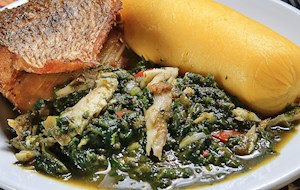
Calulu
This hearty stew is commonly enjoyed in São Tomé e Príncipe and Angola. Though it is typically prepared with fresh or dry fish and shrimps, when it goes under the name calulu de peixe, some versions can occasionally employ meat. Additional ingredients include okra, onions, tomatoes, eggplants, and finely chopped greens such as sweet potato leaves or cassava leaves. Calulu is traditionally accompanied by rice or funje — a creamy cassava porridge.
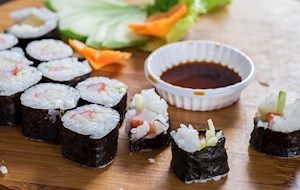
Gimbap

Gimbap is a savory roll made from cooked short-grain white rice and various pre-cooked fillings wrapped in a sheet of dried seaweed. The rice forms the foundation and requires seasoning with toasted sesame oil and salt rather than vinegar. Building the roll involves placing a sheet of seaweed, known as gim, on a bamboo mat. A thin, even layer of the sesame-seasoned rice is spread across the seaweed, leaving a small margin at the top. The core ingredients are cut into long, uniform strips and stacked horizontally across the lower third of the rice. Standard fillings usually include sautéed carrots, blanched spinach, long strips of yellow pickled radish, heavily seasoned ground beef or sliced fish cake, and ribbons of rolled omelet. The bamboo mat is then used to lift and tightly fold the seaweed over the ingredients, compressing everything into a firm, solid cylinder. Once sealed, a sharp knife is brushed with sesame oil to slice the long cylinder into bite-sized circular pieces. Roughly speaking, there are three main styles of gimbap with variations within each. Traditional gimbap with seaweed, rice, and fillings; French or nude gimbap with seaweed on the inside and rice on the outside; and samgak gimbap, shaped like a triangle and sold in many South Korean convenience stores. Tuna mixed with mayonnaise and perilla leaves creates a highly popular creamy variant, while a miniature version known as mayak gimbap consists of tiny, thin rolls filled only with carrots, spinach, and radish, specifically designed to be dipped in a mustard-and-soy sauce mixture. Another distinct style is chungmu gimbap, which leaves the rice unseasoned and entirely bare inside the seaweed wrapper, providing spicy radish salad and marinated squid on the side instead of rolling them within. The origins of rolling rice in seaweed date back to the Joseon era, where historical records mention wrapping rice and side items in gim as a portable meal. Many believe that it is a Korean take on Japanese sushi. Others say it is a variation of gimssam, a wrap made with rice and seaweed. During the early 20th century, the introduction of commercial bamboo rolling mats influenced the exact cylindrical shape recognized today, merging local ingredients with new assembly techniques. Because they hold their shape perfectly without refrigeration and require no utensils, the sliced rolls are packed tightly into lunch boxes and eaten by hand during picnics, long train rides, and school field trips. This portable meal is almost always consumed at room temperature alongside a simple bowl of warm broth or spicy pickled cabbage.

Dorayaki
By far one of the most popular wagashi (traditional Japanese confections) types, dorayaki is a delicious snack consisting of a sweet filling sandwiched between two fluffy pancakes. Its name stems from dora, the Japanese word for a gong, which the dorayaki shape is reminiscent of, and although its origins are in fact said to be ancient, the popular treat took its current form in the early 1900s when it was reportedly first made as a sandwich by a Tokyo-based confectionery called Usagiya. Ever since, the term dorayaki has been denoting two small pancake-like patties glued together with the so-called anko or sweet azuki red bean paste. The pancake batter is typically flavored with honey, a splash of sweet rice wine called mirin, and even a touch of soy sauce. Being a part of an overall Japanese wave of nostalgia for foods from the Showa Era (1926-1989), dorayaki is once again becoming more and more popular, while most manga and anime fans may remember it as the favorite snack of the blue robot-cat Doraemon, a manga series character from the 1970s. Also, apart from the classic red bean filling, today you can choose between many other flavors such as white bean paste, matcha green tea paste, and sweet potato and chestnut cream, or you can opt for an interesting East-meets-West snack by choosing custard cream, whipped cream, or a decadent chocolate-and-strawberry combination for your dorayaki filling.

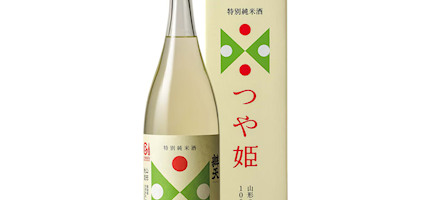
Gotō Shuzōten
Benten Tokubetsu Junmai-shu Tsuyahime
Kura Master Gold 2022, 2026

Aihara Shuzō
Ugo no Tsuki Tokubetsu Junmai Jūsanya
International Wine Challenge Gold 2025


Fukui Yahei Shōten
Haginotsuyu Amadare Ishi o Ugatsu
International Wine Challenge Bronze 2018
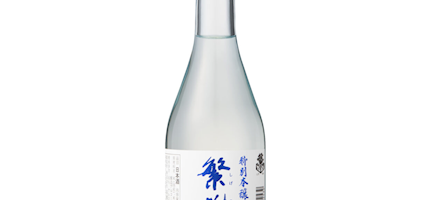
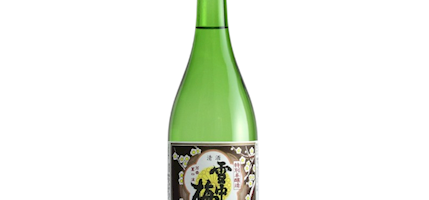
Maruyama Shuzōjō
Secchūbai Tokubetsu Honjōzō
National Kanzake Contest Grand Gold 2026

Taiyō Shuzō
Tokubetsu Honjōzō Taiyōzakari
National Kanzake Contest Grand Gold 2012, 2025

Takeda Shuzōten
Katafune Tokubetsu Honjōzō
International Wine Challenge Trophy 2013, 2019